The Importance of a Newborn Dentist
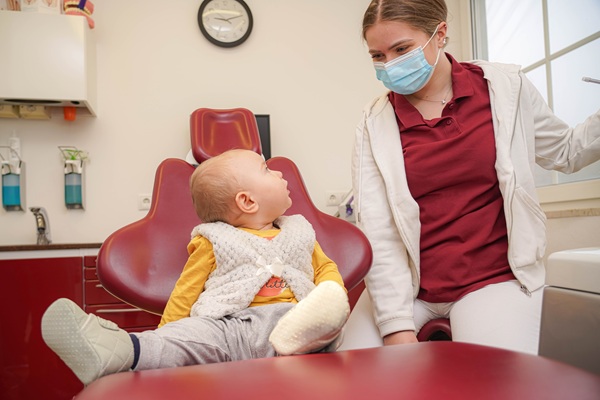
A newborn dentist is an important part of your child's oral health from the earliest days of their life, building a strong foundation for their growth and development. Many parents and caregivers may not realize that oral care begins well before the first tooth emerges. However, early guidance influences long-term outcomes. When you understand how dental oversight supports your child's growth, comfort, and disease prevention, the value of infant dental care from a newborn dentist becomes clear.
Understanding newborn dentistry
A newborn dentist focuses on the oral health of infants from birth through the first year of life. This specialty emphasizes prevention, education, and early identification of potential concerns. Unlike general pediatric dental visits that may begin after tooth eruption, the newborn dentist evaluates the infant's oral tissues, jaw development, and feeding-related structures shortly after birth.
These evaluations help identify conditions such as tongue-tie, lip-tie, or abnormal gum development. Early detection allows for timely referrals or interventions that support proper feeding and comfort. This proactive approach reduces the likelihood of complications that could affect the young child's nutrition or speech development later in life.
The importance of early oral health
Oral health in infancy influences overall health outcomes. The mouth serves as an entry point for bacteria, and early pH imbalances may contribute to infections or discomfort. A newborn dentist monitors the infant's oral tissues to ensure the mouth is a healthy environment that supports the infant's natural development.
Early dental care also reduces the risk of early childhood caries. Although teeth may not be present when the baby is born, harmful bacteria can still enter and populate the mouth. Professional guidance from a trusted pediatric dentist helps parents and caregivers understand proper cleaning techniques and feeding habits that limit bacterial growth. By establishing these practices early, dental professionals and parents can support healthier teeth as they emerge.
Supporting feeding and comfort
Feeding challenges are common during infancy and have oral origins. Fortunately, a newborn dentist can evaluate the infant's structures involved in breastfeeding or bottle-feeding, including the tongue, palate, and gum tissue. When abnormalities such as tongue ties are present, the baby may have difficulty feeding, leading to discomfort for both the baby and their caregiver.
Professional assessment ensures that feeding issues linked to the baby's oral anatomy are addressed as soon as possible. Improved feeding supports nutrition, healthy weight gain, and overall comfort. This early support can reduce stress during a critical time in the child's development and promote consistent and healthier feeding routines.
Preventing future dental issues
Preventive care is a foundation of infant dentistry. A newborn dentist familiarizes caregivers with habits that influence the young child's oral health long before cavities become a concern. The topics at these appointments include pacifier use, bottle-feeding practices, and when to expect the baby's teeth to erupt. They will also provide guidance on oral hygiene techniques to ensure that gums and emerging teeth receive appropriate care. As a result, preventive education reduces the likelihood of decay, misalignment, and enamel abnormalities. When families receive accurate information from the time their baby is born, healthier habits can continue through their childhood and adolescence.
Educating parents and caregivers
Education remains one of the most significant benefits provided by a newborn dentist. Pediatric dentists provide parents and caregivers with personalized guidance based on their infant's oral development, feeding patterns, and health history. They may touch on subjects, such as:
- Oral cleaning before tooth eruption
- The amount of fluoride to use
- How to manage teething
- When to start using a toothbrush over a cloth
- How often to take the baby to the dentist
This helpful and tailored information empowers informed decision-making and consistent care at home. Additionally, accurate education from a dental professional reduces misinformation and promotes evidence-based practices that protect infant health.
Establishing a positive relationship with dental care
Early exposure to dental settings helps normalize oral care as a routine aspect of health. Visiting a newborn dentist introduces infants and babies to gentle examinations and familiarizes caregivers with professional support. This early relationship fosters trust and reduces anxiety associated with future dental visits. Children who begin visiting the pediatric dentist early are often more comfortable during dental appointments as they get older. Establishing a strong relationship during infancy supports long-term commitment to preventive care and regular dental evaluations.
Call us to learn more about our services
Newborn dentists provide more than support for your little one's teeth. They help build the foundation for a lifetime of good oral health from the very beginning. When you prioritize your baby's oral health from birth, you can reinforce the importance of early professional dental development. Would you like more information? Call our Concord office to learn more about our services or to schedule a consultation.
Request an appointment here: https://parksidepediatricdentists.com or call Parkside Pediatric Dentists at (925) 504-4011 for an appointment in our Concord office.
Check out what others are saying about our services on Yelp: Read our Yelp reviews.
Related Posts
A pediatric dentistry exam is necessary for evaluating and diagnosing your child. This type of dental exam should start at an early age. That way, your child can get used to the processes involved. If you want to know what to expect during a pediatric dentistry exam, here are the details.Getting the child and the…
Choosing a dentist for kids, or a pediatric dentist, shapes early habits, comfort in the chair, and lifelong oral health. Pediatric practices pair clinical skill with kid-centered communication and prevention. Families gain clear guidance, practical tools, and steady support at every stage. Learn about some of the ways a dentist for kids differs from a…
Caring for baby teeth is important in pediatric dentistry. Dentists recommend bringing a baby in for a dental checkup when their first tooth erupts. This is also an opportunity for parents to ask the dentist any relevant questions about their baby’s dental needs and health.Here are the details for those who want to know more…
The main benefit of choosing a community pediatric dentist is that they focus on providing a supportive environment where children feel comfortable and confident. They strive to change a patient's perspective on dental care. The goal is to help them see it as something that is routine and even fun instead of scary. Moreover, choosing…