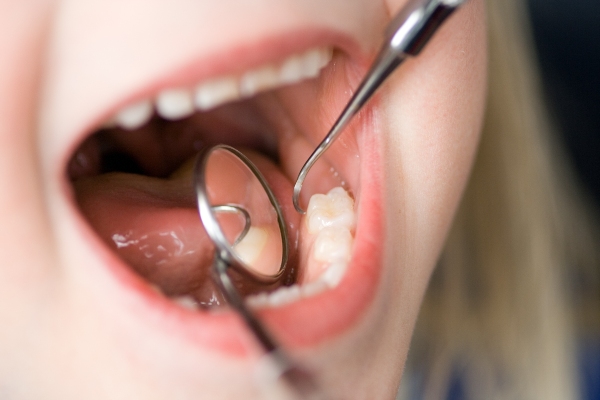
 Dental fillings for kids are a necessary procedure to restore one or more decayed areas of the teeth. Fillers may also be used on permanent teeth and infant teeth. The dentist removes the decayed tooth and fills the cavity with a composite material during the dental filling procedure.
The filling used for a child's dental cavity is typically somewhat similar in color to their natural teeth, and that helps make it much less conspicuous. The latest advances in dental care have made it possible to get stronger dentistry filling composites that perform equally well as less aesthetically pleasing filling materials.
Understanding the procedure for dental fillings for kids
First, the dentist will apply a local anesthetic to numb the teeth and surrounding tissue. Then they will remove the decay and clean the tooth properly. After applying the dental filling, they will proceed to shape it and use a special blue light to harden the tooth. The dental professional will make any adjustments to ensure the treated tooth does not have any rough edges.
Children usually relax and get acclimated to the office before the procedure. The filling process hardly causes any form of discomfort for most people. They might instead find it strange to have water sprayed into their mouth and onto their teeth. Treatment is simple and typically painless. Sensitivity should decrease gradually over the course of two weeks. To prepare for the procedure, the pediatric dentist will provide all the necessary information.
Caring for a dental filling for kids
Kids of any age may experience sensitive teeth and swelling in the treated area right after a filling; this is normal and should be expected. Before the effects of the anesthetic wear off, the kid might accidentally bite their lip or tongue, which might cause extra swelling. The sensitivity and swelling usually only last for a few days.
Any persistent swelling should be reported to the dentist immediately. If the child is consistently sensitive, a bite correction might be necessary. Parents need to also be alert for anesthesia-associated allergies. Either way, it is important to follow up with the pediatric dentist.
The following are typical recommendations for care after dental fillings for kids:
- Check for prolonged swelling or sensitivity that lasts longer than 48 hours.
- For one to two days, limit your child’s food consumption to soft food to avoid irritation and swelling.
- Avoid using straws, pacifiers, or sippy cups for a few days because the sucking action can prolong sensitivity.
- Place an ice pack over the sensitive area for 15 minutes.
- Administer medications if necessary, according to the pediatric dentist’s instructions.
- Avoid vigorous activities the day before and after a tooth filling.
Final thoughts
The task of a parent looking after their child's sensitive teeth during filling treatments can be a difficult and stressful one. Knowing about the treatment process and paying attention during the recovery phase could facilitate this process. Kids who have a positive visit at the dentist’s office are likely to maintain good oral hygiene habits into adulthood. If your children are in need of dental fillings for kids, contact our dental office today to set up an appointment.
Request an appointment or call Parkside Pediatric Dentists at 925-504-4011 for an appointment in our Concord office.
Related Posts
Dental fillings for kids can be nerve-wracking for some kids, likely due to the necessary tools. While we aim to make this simple process as smooth and painless as possible, we need your help. Getting a firm grasp on what your kids can expect during this procedure and how to prevent a future need for…
Dental fillings for kids restore the smile for years to come. Proper aftercare and consistent oral hygiene help to ensure your child gets the most out of their fillings. Thankfully, caring for these restorations is simple and straightforward, particularly with the help of a pediatric dentist.A dental filling is a dental restoration that “fills” cavities…
Wondering about dental fillings for kids? Read on to learn more about this type of dental restoration. If a child develops cavities, then dental fillings for kids are necessary to restore the tooth. If it is the first time your child is visiting the dentist and they are experiencing anxiety about it, the best way…