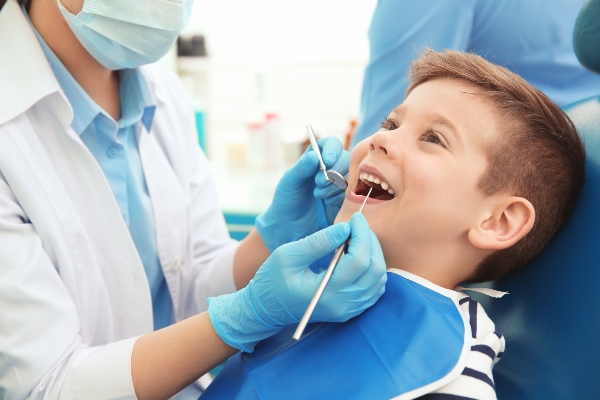
 Dental fillings for kids are a part of life for many young people. After all, adults are not the only ones who require dental treatment, including fillings. In fact, children are especially prone to needing them, as they are more likely to develop cavities due to their diets (consuming more sugar and acids, on average) and oral hygiene habits that may still need work. A filling helps a tooth recover after a cavity so it can remain functional for as long as possible.
Easing kids’ worries about dental fillings
If a child needs a filling, they (and their caregiver) may be nervous about what to expect. Fortunately, getting dental fillings for kids is a simple process. Here is what caregivers can do to prepare their children for their appointments.
Explain the process
Most of the anxiety regarding this dental procedure comes from a fear of the unknown. Children, especially those who have not had a filling before, do not know what to expect. Caregivers should explain the filling process: The dentist will use a small drill to take out the parts of the tooth that are sick(decayed). Then, they will fill the hole with a material that is the same color as the real tooth. After that, the material will harden until the child cannot tell the difference between their tooth and the filling.
Choose a good dentist
A vital facet of making dental fillings easy is selecting a dentist who works with kids. They should have a relaxed and friendly bedside manner that can keep a child entertained and comfortable. Choose a professional who has experience in kids’ dental fillings and who can explain the process clearly as they go.
Prepare for recovery ahead of time
After a filling, a child will typically deal with residual soreness and numbness in one area of their face for at least a few hours. Prepare for this ahead of time in an exciting way. Can the child go to the store to pick out the flavor of popsicles they like most to soothe the soreness? What movie do they want to watch when they get home while they wait for the numbness to go away? Make the preparations an adventure.
Offer soothing options
While at the dentist’s office, offer options that will soothe the child. Perhaps they have a favorite stuffed animal or blanket that can keep them company. Alternatively, is there music they can listen to? Dental fillings are more tolerable when children have something else to occupy their minds.
Get dental fillings for kids for good oral health
Getting a dental filling is important for good oral health to stop bacteria from spreading, especially for baby teeth, which hold the place for adult teeth later. If your child has an upcoming filling appointment, approach it strategically to help make it less stressful. Our office is always happy to help children understand what happens during fillings so they can approach the procedure with confidence. Contact our dentist to schedule an appointment for a filling or ask questions.
Request an appointment or call Parkside Pediatric Dentists at 925-504-4011 for an appointment in our Concord office.
Related Posts
Getting dental fillings for kids can help improve your child’s dental health. It can restore the affected teeth and relieve your child’s pain. Understanding the process can help you prepare your child for the next appointment. Here are the details on what parents like you must know about dental fillings for kids.The dentist will discuss…
Dental fillings for kids can be nerve-wracking for some kids, likely due to the necessary tools. While we aim to make this simple process as smooth and painless as possible, we need your help. Getting a firm grasp on what your kids can expect during this procedure and how to prevent a future need for…
Dental fillings for kids restore the smile for years to come. Proper aftercare and consistent oral hygiene help to ensure your child gets the most out of their fillings. Thankfully, caring for these restorations is simple and straightforward, particularly with the help of a pediatric dentist.A dental filling is a dental restoration that “fills” cavities…