How Safe Are Kids Tooth Extractions?
Kids tooth extractions are often recommended only when a pediatric dentist believes removing a tooth is the healthiest option for a child’s comfort, development, and long-term oral health. Although the idea of an extraction can sound intimidating to parents, this procedure is common, carefully planned, and designed with safety in mind. Pediatric dental teams use child-focused techniques, detailed evaluations, and comfort measures to make treatment as smooth as possible. In most cases, kids tooth extractions are very safe when performed for the right reasons and with proper follow-up care. Read on to understand the process and how extractions can actually benefit their oral health.
Why a child may need a tooth extraction
A pediatric dentist does not recommend an extraction without a clear purpose. In some situations, a baby tooth becomes so damaged by decay or injury that it can no longer be restored with a filling or crown. In other cases, a tooth may block the eruption of a permanent tooth or create crowding that affects future alignment. Severe infection, advanced looseness, or dental trauma can also make removal the safest choice.
Some parents worry that removing a baby tooth too early will automatically cause larger problems, but that is not always the case. The dental team evaluates timing, spacing, and overall oral development before making a recommendation. If the tooth is harming nearby structures or causing persistent discomfort, removing it may actually protect the child’s smile. The decision is based on what supports healthy growth, not just what solves the immediate issue.
What makes kids tooth extractions safe
The safety of kids tooth extractions starts with careful planning. Before the procedure, the dentist reviews the child’s medical history, symptoms, X-rays, and stage of dental development. This helps the team understand the shape of the roots, the condition of the surrounding bone, and the position of nearby teeth. A full evaluation lowers the chance of surprises and helps the provider choose the safest approach.
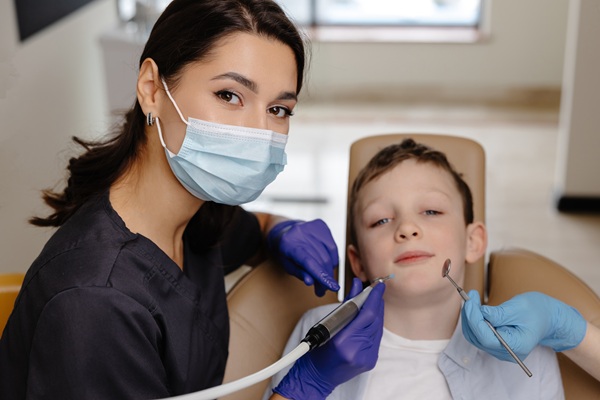
The procedure itself is also designed to be controlled and efficient. Pediatric dentists use techniques that account for the smaller size of a child’s mouth and the emotional needs of young patients. We use a local anesthetic to numb the area so the child remains comfortable during treatment. When needed, additional behavior guidance or sedation options may be considered based on the child’s age, anxiety level, and treatment needs. These safeguards help make the process predictable and well-managed.
How dentists help children stay comfortable
One reason parents question the safety of kids tooth extractions is concern about pain or distress. As a pediatric dental office, we are trained to reduce both. The team usually explains the procedure in child-friendly language and uses a calm approach that helps children know what to expect. This supportive communication can make a major difference in how a child feels before, during, and after the appointment.
Comfort also comes from proper anesthesia and gentle technique. Once the area is numb, the child should feel pressure but not sharp pain. After the extraction, the dentist provides instructions to help reduce soreness and support healing. Mild discomfort is possible for a short period, but it is generally manageable and temporary. Many children recover faster than parents expect, especially when patients and parents follow aftercare instructions closely.
Understanding the possible risks
Like any dental procedure, kids tooth extractions can involve some risks, but serious complications are uncommon. Mild bleeding, temporary soreness, and slight swelling are the most common short-term effects. These responses are normal and usually improve quickly within the first few days. The dentist will explain what to expect and the signs that would require a follow-up call.
Less common risks can include delayed healing, infection, or changes in space if we remove a baby tooth earlier than planned. That is why follow-up care and monitoring are important. In some cases, we may recommend a space maintainer to help preserve room for the permanent tooth. These possibilities do not mean the extraction is unsafe. They simply show why professional guidance matters before and after treatment. With proper planning and home care, complications are usually limited and manageable.
A safe procedure when the timing and care are right
Kids tooth extractions are generally very safe when performed by an experienced dental provider for the right reason. The procedure is guided by careful diagnosis, thoughtful planning, and comfort-focused care that supports both safety and healing. While any treatment can seem overwhelming at first, extractions are often an effective way to relieve pain, support oral development, and prevent more serious dental problems. With the support of a pediatric dental team and proper at-home aftercare, most children recover well and return to their normal routine quickly. For more information, call our office.
To schedule a consultation, please request an appointment on our website at https://parksidepediatricdentists.com or call Parkside Pediatric Dentists at (925) 504-4011 to arrange an appointment at our Concord office.
Check out what others are saying about our services on Yelp: Read our Yelp reviews.
Related Posts
Getting dental fillings for kids can help improve your child’s dental health. It can restore the affected teeth and relieve your child’s pain. Understanding the process can help you prepare your child for the next appointment. Here are the details on what parents like you must know about dental fillings for kids.The dentist will discuss…
Pediatric tooth extractions can relieve discomfort, stop infection, and create space for healthier growth. While pulling a tooth is a last resort, it is best done as soon as possible after being recommended. This gives the patient a faster path to pain relief and reduced risk of worsening problems. Families who work closely with a…
Many families delay appointments because kids worry about discomfort, unfamiliar tools, or past stressful experiences. However, a pain-free pediatric dentist can make visits feel calmer for children by focusing on gentle techniques, clear communication, and comfort-centered care. Here is how a pain-free dentist creates a supportive dental care environment to make preventive care easier to…
Dental fillings for kids can be nerve-wracking for some kids, likely due to the necessary tools. While we aim to make this simple process as smooth and painless as possible, we need your help. Getting a firm grasp on what your kids can expect during this procedure and how to prevent a future need for…