Efficacy and Safety of Dental Fillings for Kids
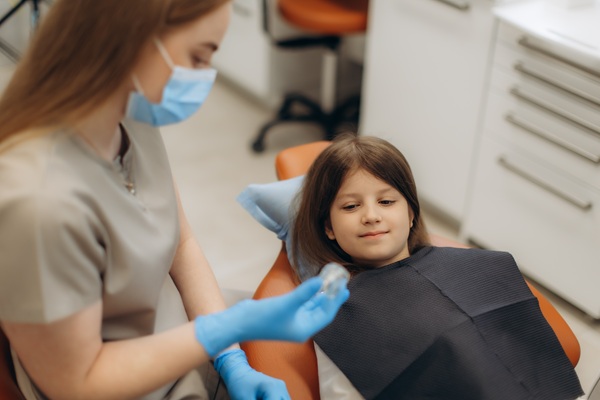
Dental fillings for children play a crucial role in restoring teeth affected by cavities or minor damage. When detected early, cavities can be treated quickly and effectively with a filling, preventing further decay and preserving the natural tooth. Pediatric dentists utilize techniques and materials specifically designed for children to ensure safety, comfort, and long-lasting results.
Why dental fillings are necessary
Tooth decay is one of the most common chronic conditions in children, according to the Centers for Disease Control and Prevention (CDC). If left untreated, cavities can lead to infection, pain, and even tooth loss. Dental fillings for children restore the tooth's structure, allowing them to chew, speak, and smile without discomfort. Fillings also protect the tooth from additional decay by sealing off the area from bacteria and food particles.
Baby teeth serve as placeholders for permanent teeth and play a critical role in jaw development. Although they eventually fall out, preserving primary teeth is crucial for healthy oral development. Treating decay in baby teeth with fillings supports proper alignment, reduces the risk of orthodontic issues, and promotes overall oral health.
Types of dental fillings for kids
Pediatric dentists typically offer a variety of filling materials tailored to each child’s needs, including:
- Composite resin fillings: Tooth-colored material that blends naturally with surrounding teeth. Ideal for visible areas and smaller cavities.
- Amalgam fillings: Durable silver-colored material often used for molars, which experience more pressure during chewing.
- Glass ionomer fillings: Release fluoride over time and bond chemically to the tooth. Commonly used for baby teeth and non-load-bearing areas.
Dental fillings for kids are selected based on the location of the cavity, the size of the filling, and the child's age or risk level. All materials used in pediatric dentistry are tested for safety and meet FDA and ADA standards.
Safety considerations and benefits
Parents often have questions about the safety of dental fillings. Pediatric dentists follow strict protocols to ensure that all materials used are appropriate for young patients. Composite and glass ionomer fillings are mercury-free and widely used in modern pediatric dentistry. In cases where amalgam is recommended, it is done with consideration for strength and function in the back teeth.
Dental fillings help relieve tooth pain, prevent further decay, and preserve the health of surrounding teeth. Restoring a damaged tooth with a filling reduces the need for more extensive procedures, such as crowns or extractions, in the future. With proper care and routine checkups, fillings can last for several years, even in baby teeth.
Supporting long-term dental health
Early treatment with dental fillings for kids promotes healthy oral habits and reduces the risk of complications. Pediatric dentists also educate children on brushing, flossing, and limiting sugary snacks to help prevent future cavities. Regular dental visits allow providers to monitor existing fillings and address new issues promptly.
Dental fillings for kids are safe, effective, and essential for preserving healthy smiles. With the right materials and expert care, pediatric dentists can restore comfort and function while supporting long-term oral health. For more information or to schedule a consultation, call Parkside Pediatric Dentists at (925) 504-4011.
To schedule a consultation, request an appointment on our website at https://parksidepediatricdentists.com or call Parkside Pediatric Dentists at (925) 504-4011 for an appointment in our Concord office.
Check out what others are saying about our dental services on Yelp: Dental Fillings in Concord, CA.
Related Posts
A pediatric dentistry exam is necessary for evaluating and diagnosing your child. This type of dental exam should start at an early age. That way, your child can get used to the processes involved. If you want to know what to expect during a pediatric dentistry exam, here are the details.Getting the child and the…
Choosing a dentist for kids, or a pediatric dentist, shapes early habits, comfort in the chair, and lifelong oral health. Pediatric practices pair clinical skill with kid-centered communication and prevention. Families gain clear guidance, practical tools, and steady support at every stage. Learn about some of the ways a dentist for kids differs from a…
Caring for baby teeth is important in pediatric dentistry. Dentists recommend bringing a baby in for a dental checkup when their first tooth erupts. This is also an opportunity for parents to ask the dentist any relevant questions about their baby’s dental needs and health.Here are the details for those who want to know more…
The main benefit of choosing a community pediatric dentist is that they focus on providing a supportive environment where children feel comfortable and confident. They strive to change a patient's perspective on dental care. The goal is to help them see it as something that is routine and even fun instead of scary. Moreover, choosing…