Does Your Child Need a Pediatric Root Canal? Signs and Treatment Options
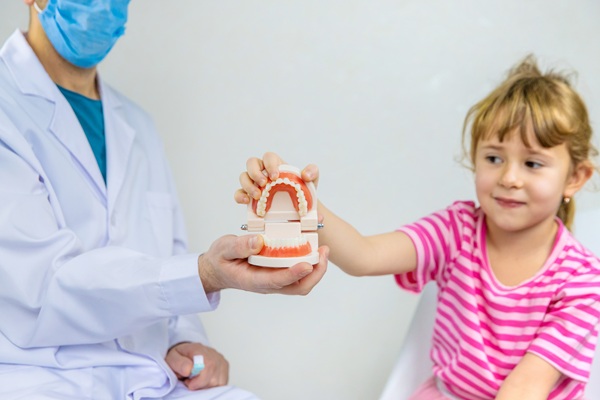
A pediatric root canal can help preserve a child's oral health and prevent further complications when a tooth becomes damaged or infected. A dentist will determine if treatment is necessary based on symptoms and an examination. Understanding the signs of infection and the treatment process can help parents make the best decision for their child's dental health.
What is a pediatric Root canal?
A pediatric root canal is a procedure used to treat decay or infection inside a child's tooth. It is necessary when the inner part of the tooth, called the pulp, is damaged. The pulp contains nerves and blood vessels that help the tooth grow, but if it becomes infected, it can cause pain and lead to serious problems. There are two types of pediatric root canal procedures: pulpotomy and pulpectomy.
Pulpotomy
This procedure only removes the infected portion of the pulp. The healthy part of the pulp remains intact as a pediatric dentist seals the tooth to prevent further infection. This is usually for when the damage is limited to the top part of the pulp.
Pulpectomy
This procedure removes all of the pulp because the infection has spread deeper. The space inside the tooth is then cleaned, filled, and sealed to protect it. A pulpectomy is needed when the entire pulp is affected.
Both treatments help preserve the natural tooth and prevent the need for an early extraction.
Signs a child may need a pediatric root canal
A child may not always be able to explain their discomfort, but there are clear signs that indicate a possible infection or severe tooth decay. Parents should watch for the following symptoms:
- Tooth pain. Pain that does not go away or worsens over time
- Sensitivity to hot or cold foods. A tooth that reacts strongly to temperature changes
- Swelling or redness in the gums. Can be a sign of infection
- A pimple-like bump on the gums. May be an abscess, a pocket of pus caused by infection
- Discoloration of the tooth. A tooth that turns dark or gray may have pulp damage
- Difficulty chewing or biting. If a child avoids using one side of the mouth, it may be due to pain or discomfort
If any of these signs are present, a visit to a dentist is needed as soon as possible.
What to expect during the procedure
Before starting the pediatric root canal, the dentist will take X-rays to assess the extent of the infection or damage. These X-rays help determine whether a pulpotomy or pulpectomy is needed. The procedure is done in several steps:
- Numbing the tooth. The dentist will use a local anesthetic to ensure the child does not feel pain
- Removing infected pulp. The damaged pulp is taken out while keeping as much healthy tissue as possible
- Cleaning the tooth. The inside of the tooth is cleaned to remove bacteria and prevent further infection
- Filling and sealing. A special material is placed inside the tooth to protect it and keep it strong
- Adding a crown. In most cases, a dental crown is placed over the tooth to restore its shape and function
The procedure is designed to be safe and comfortable for children.
Recovery and aftercare
After a pediatric root canal, a child may have mild discomfort, but this should go away within a few days. The dentist may recommend soft foods for a short time to avoid pressure on the treated tooth. Good oral hygiene is important to keep the teeth healthy. Brushing, flossing, and regular dental visits will help prevent future problems. Parents should encourage children to avoid chewing hard foods or objects to protect the restored tooth.
Preventing tooth decay and infection
Good dental care is essential to reduce the risk of needing a pediatric root canal. Parents can help protect their child's teeth by following several tips, which include encouraging brushing twice daily with fluoride toothpaste. Parents can also help children with flossing to remove plaque and food particles between their teeth. By limiting sugary foods, parents can help decrease the risk of tooth decay. Children should see the dentist for regular checkups at least twice per year. With the right care, a child's teeth can stay strong and healthy long term.
Protecting a child's smile
Early treatment can save a child's tooth and prevent further complications. A pediatric root canal helps relieve pain, stop infection, and restore the tooth's function. By recognizing the signs of trouble and seeking prompt care, parents can help ensure their child maintains a healthy smile.
Request an appointment here: https://parksidepediatricdentists.com or call Parkside Pediatric Dentists at (925) 504-4011 for an appointment in our Concord office.
Check out what others are saying about our services on Yelp: Read our Yelp reviews.
Related Posts
Caring for baby teeth is important in pediatric dentistry. Dentists recommend bringing a baby in for a dental checkup when their first tooth erupts. This is also an opportunity for parents to ask the dentist any relevant questions about their baby’s dental needs and health.Here are the details for those who want to know more…
The main benefit of choosing a community pediatric dentist is that they focus on providing a supportive environment where children feel comfortable and confident. They strive to change a patient's perspective on dental care. The goal is to help them see it as something that is routine and even fun instead of scary. Moreover, choosing…
Primary teeth are important in pediatric dentistry. They are the foundation for the development of the permanent teeth. Losing baby teeth too early can cause more dental problems for the child as they grow up.If parents want to know how they should care for their child’s teeth through pediatric dentistry, here are the details.Dentists recommend…
Toothaches are commonplace for children and adults alike, but you should still contact your pediatric dentistry office if your child complains of one. This is especially true if the oral pain is:SuddenUnexplainedChronic or reoccurringWorsens with timeContinues for more than a dayAccompanied by other symptoms, such as bleeding, inflammation, oozing, or feverA dentist can help you…