Different Types of Kids Dental Crowns
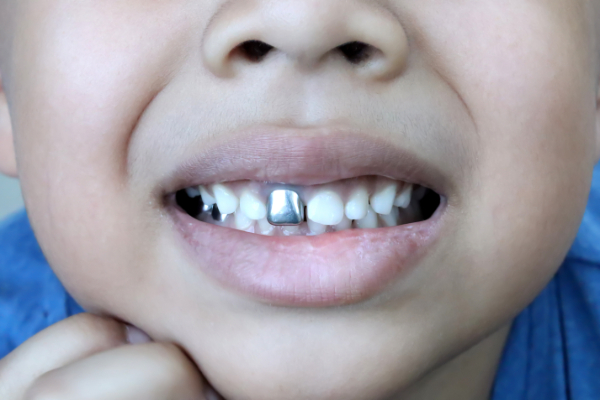
Kids dental crowns are typically used to prevent baby teeth from falling out prematurely. While there is a common misconception that baby teeth are not important since they serve a temporary role, that could not be further from the truth. Baby teeth play a crucial role, holding space for the permanent teeth behind them. There is a good chance a permanent tooth with erupt in a problematic way when the baby tooth that once held its spot on the jaw falls out before it is ready to erupt.
Five main types of kids dental crowns are popular with pediatric dentists: polycarbonate, composite strip, stainless steel, zirconia ceramic, and resin-veneered. Each type of crown has its pros and cons, so factors like the location it will be placed, any allergies the child has, and aesthetics typically dictate the type of crown recommended.
The five most popular types of kids dental crowns
Let us take a closer look at the different types of crowns pediatric dentists typically recommend for children:
1. Zirconia ceramic
These crowns are made with zirconium oxide after it has been stabilized with yttrium oxide. They sometimes have layers of porcelain on their outer surface or substructure. These are one of the most durable types of crowns and one of the pricier options.
Reasons to consider choosing zirconia ceramic crowns over the other types include excellent durability, a natural look, biocompatibility, and plaque resistance. These crowns do not contain any metal components. The drawbacks of zirconia ceramic crowns include taking longer to place, not being contourable, and being pricier than other types of crowns.
2. Resin veneer crowns
These are stainless steel crowns that are covered with white facings to improve their aesthetics. They combine the natural aesthetics of resin facings with the durability of stainless steel. Placing these crowns typically requires a larger portion of the tooth being treated to be removed to create an ideal fit with the crown.
Some of the benefits of resin veneer crowns include great aesthetics, excellent durability, and moisture resistance. Some of their disadvantages include being one of the pricier types of crowns, requiring larger portions of enamel to be removed during installation, and being more likely to trigger allergies.
3. Composite strip crowns
These are made by hardening a composite that is made from mixtures of glass and plastic. These composites provide excellent aesthetics since they can be color-matched with the patient’s teeth. However, they are more prone to fracture and breakage than other types of crowns. Composite strip crowns provide believable exteriors and are moderately priced. However, they do not last as long as other types of crowns.
4. Stainless steel crowns
Pediatric dentists have used stainless steel crowns for almost a century. These crowns are made from a blend of chromium, carbon, iron, and other metals. Stainless steel crowns are extremely durable, but they stick out due to their color. They are primarily used to protect teeth in the back of the mouth that are not easily visible.
Stainless steel crowns are highly durable, low cost, retentive, and easy to contour. However, the metals in them might trigger allergies, and they provide poor aesthetics.
5. Polycarbonate crowns
These types of crowns are made from polycarbonate resin shells or acrylic. They are cemented into place with an adhesive resin and provide a low-cost crown that can be matched with the color of the child’s teeth.
Polycarbonate crowns are one of the most affordable types of crowns and provide excellent aesthetics. However, they are more sensitive to moisture than other types of crowns and take longer to place.
Get your child the right type of crown
Our pediatric dentist will help you determine the best type of crown for your child’s needs. Call or visit our Concord clinic to set up an appointment.
Request an appointment here: https://parksidepediatricdentists.com or call Parkside Pediatric Dentists at (925) 504-4011 for an appointment in our Concord office.
Check out what others are saying about our services on Yelp: Read our Yelp reviews.
Related Posts
Getting dental fillings for kids can help improve your child’s dental health. It can restore the affected teeth and relieve your child’s pain. Understanding the process can help you prepare your child for the next appointment. Here are the details on what parents like you must know about dental fillings for kids.The dentist will discuss…
Pediatric tooth extractions can relieve discomfort, stop infection, and create space for healthier growth. While pulling a tooth is a last resort, it is best done as soon as possible after being recommended. This gives the patient a faster path to pain relief and reduced risk of worsening problems. Families who work closely with a…
Many families delay appointments because kids worry about discomfort, unfamiliar tools, or past stressful experiences. However, a pain-free pediatric dentist can make visits feel calmer for children by focusing on gentle techniques, clear communication, and comfort-centered care. Here is how a pain-free dentist creates a supportive dental care environment to make preventive care easier to…
Dental fillings for kids can be nerve-wracking for some kids, likely due to the necessary tools. While we aim to make this simple process as smooth and painless as possible, we need your help. Getting a firm grasp on what your kids can expect during this procedure and how to prevent a future need for…