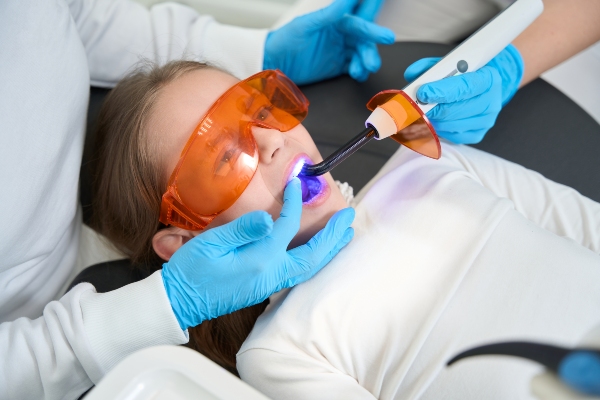
 Dental fillings for kids restore the smile for years to come. Proper aftercare and consistent oral hygiene help to ensure your child gets the most out of their fillings. Thankfully, caring for these restorations is simple and straightforward, particularly with the help of a pediatric dentist.
Aftercare guidelines for kids’ dental fillings
A dental filling is a dental restoration that “fills” cavities or chips and cracks in the teeth. They may be gold, silver amalgam, or a tooth-colored material like porcelain or composite resin. With each of these fillings, proper aftercare involves the following.
Keep a tab on any symptoms
According to Healthline, it is normal to experience some tooth sensitivity after getting a cavity filled. Other symptoms include tenderness in the gums and nearby teeth that may be more severe when eating, drinking, and brushing. All these symptoms should go away completely in about one to two days. Thus, it is important to keep a tab on the child’s symptoms to ensure they are gradually getting better. If they worsen or are still present in four weeks, consult a dentist for help.
Make temporary changes to the child’s diet
The pediatric dentist will numb the area around the affected tooth before placing a dental filling. Patients should wait until all sensation returns to the mouth before eating — about two hours. Then, for the first 24 hours, do not chew with the treated tooth or those surrounding it.
Patients should avoid eating hard, sticky, and sugary foods such as nuts and hard candy during this initial period. It can also help to avoid temperature extremes, like hot soup and ice cream. As mentioned, the treated area will likely be sensitive for a few days.
Promptly repair any damage to the filling
Dental fillings for kids can last up to 15 years. However, wear and tear can happen. Dental trauma and injuries can also cause them to fall out or become damaged. Therefore, children and their parents should keep an eye on the dental filling and visit a dentist for a repair or replacement should anything happen to it.
Oral hygiene and dental fillings for kids
Taking care of a dental filling involves consistent oral hygiene. Children should brush their teeth twice daily, preferably with nonabrasive fluoride toothpaste. Flossing once per day is also an important part of caring for teeth and fillings. Regular checkups with the dentist for a teeth cleaning are recommended, as well. During these appointments, the dentist will ensure the dental filling is in good condition. If necessary, they can repair or replace it.
Consult a pediatric dentist for detailed information
Dental fillings for kids are versatile and can last as long as 15 years with good oral hygiene and proper care. If you want to learn more about this common, kid-friendly restoration, contact our Concord office for more information. We can discuss both the process of filling cavities and caring for treated teeth during a consultation.
Request an appointment or call Parkside Pediatric Dentists at 925-504-4011 for an appointment in our Concord office.
Related Posts
Getting dental fillings for kids can help improve your child’s dental health. It can restore the affected teeth and relieve your child’s pain. Understanding the process can help you prepare your child for the next appointment. Here are the details on what parents like you must know about dental fillings for kids.The dentist will discuss…
Dental fillings for kids can be nerve-wracking for some kids, likely due to the necessary tools. While we aim to make this simple process as smooth and painless as possible, we need your help. Getting a firm grasp on what your kids can expect during this procedure and how to prevent a future need for…
Wondering about dental fillings for kids? Read on to learn more about this type of dental restoration. If a child develops cavities, then dental fillings for kids are necessary to restore the tooth. If it is the first time your child is visiting the dentist and they are experiencing anxiety about it, the best way…