When Is Dental Bonding for Kids Necessary?
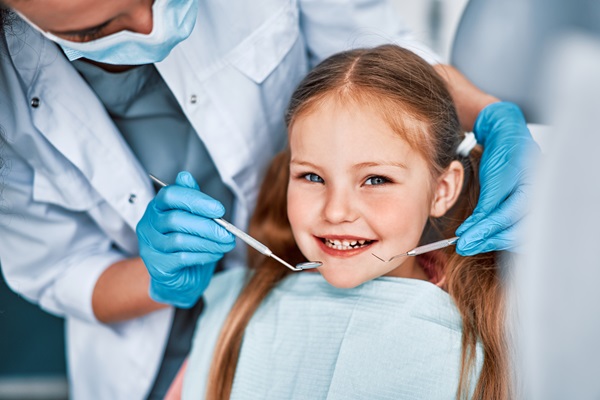
Dental bonding for kids is a versatile, minimally invasive treatment option for a wide range of dental concerns. Dentists can typically restore a child's teeth to full form, function, and aesthetics by adding a tooth-colored resin substance to the tooth surface and curing it with a special light. It is important for parents to know the indications for dental bonding in children so that they may make educated choices regarding their care.
When is dental bonding for kids needed?
Accidents and sports-related injuries may all lead to chipped, cracked, or broken teeth in kids. Dental bonding is a popular option for fixing such damage because it can usually repair and restore the tooth's look, function, and strength. Additionally, the bonding material may be color-matched to the adjacent teeth for a completely natural-looking and undetectable restoration.
Other applications of dental bonding for kids include:
Gaps between teeth
Dental bonding for kids is an effective method for closing diastemas, which is the term for spaces between teeth. Children's self-esteem may suffer as a result of these gaps. With dental bonding, dentists may fill in these spaces by applying the resin to the teeth, creating a more even and aesthetically attractive smile.
Reshape irregular or misshapen teeth
Some children may be born with teeth that are uneven in size, shape, or contour; this may have serious consequences for their bite and dental health. The dentist can use dental bonding to alter the size and form of these teeth for cosmetic and functional improvements.
Treat tooth decay
Dental bonding may be used as a replacement for amalgam fillings in cases of moderate to severe tooth deterioration. Dentists may repair cavities and rebuild the tooth's structure using the tooth-colored resin substance. This procedure will also protect the tooth from future decay while making it look completely natural.
Cover discolored teeth
In cases of intrinsic tooth discoloration that is resistant to typical teeth whitening treatments, the pediatric dentist might recommend dental bonding to cover the affected teeth. The resin substance may be painted onto the discolored tooth, allowing it to match with the remaining teeth again. This procedure can help a child feel less self-conscious about their smile.
Protect exposed tooth roots
Gum recession can cause exposed tooth roots, which may result in decay and heightened tooth sensitivity. Covering and preserving these exposed roots with dental bonding for kids may lessen pain and prevent additional damage to the tooth.
Improve bite function
The dentist can use dental bonding to fix minor bite problems, including slightly misaligned teeth, in children. Dental bonding may correct a misaligned bite and restore proper bite function by altering the size and form of the impacted teeth.
While waiting for more permanent dental restorations, like dental crowns or orthodontic treatment, dental bonding may serve as a temporary solution for aesthetic and functional issues.
The bottom line
Children can benefit from dental bonding in a number of ways, including fixing broken or chipped teeth, reshaping irregular or misshapen teeth, covering discolored teeth, and improving bite function. Early detection and treatment of tooth problems with dental bonding may help parents ensure their kid has a lifetime of good oral health. If you are wondering whether dental bonding for kids is the best option for your child's specific dental requirements, contact our dental office to schedule a pediatric dentistry appointment.
Request an appointment here: https://parksidepediatricdentists.com or call Parkside Pediatric Dentists at (925) 504-4011 for an appointment in our Concord office.
Check out what others are saying about our dental services on Yelp: Dental Bonding in Concord, CA.
Related Posts
Dental fillings for kids restore the smile for years to come. Proper aftercare and consistent oral hygiene help to ensure your child gets the most out of their fillings. Thankfully, caring for these restorations is simple and straightforward, particularly with the help of a pediatric dentist.A dental filling is a dental restoration that “fills” cavities…
Wondering about dental fillings for kids? Read on to learn more about this type of dental restoration. If a child develops cavities, then dental fillings for kids are necessary to restore the tooth. If it is the first time your child is visiting the dentist and they are experiencing anxiety about it, the best way…
When it comes to orthodontics for kids, there are many things that parents should be aware of. Orthodontic treatments can help kids achieve a healthier and more attractive smile, but there are many factors to consider when deciding whether it is the right choice for your child. We will explore the different aspects of orthodontics…
Dental fillings are a key part of protecting children’s oral health. When prevention efforts fail, this simple procedure stops cavities from doing further damage to dental health. Here, we take a closer look at the benefits of treating childhood tooth decay with dental fillings for kids.According to the Centers for Disease Control and Prevention (CDC),…